
bedroom vanity with lights
The Importance of Engineering Measuring Tools in Precision and Accuracy Engineering, at its core, is a discipline that relies heavily on precision and accuracy. This is where engineering measuring tools come into play, serving as indispensable assets in various fields such as civil, mechanical, electrical, and aerospace engineering. These tools not only ensure the quality of the work but also contribute significantly to the safety and efficiency of the final product. Measuring tools are the backbone of engineering projects, allowing engineers to quantify dimensions, angles, distances, and other critical factors with high precision. They range from simple devices like rulers and calipers to more complex instruments like micrometers, vernier calipers, and coordinate measuring machines (CMMs). A ruler, for instance, is a basic measuring tool used for linear measurements, while a caliper, either digital or Vernier, provides more accurate measurements, especially when dealing with smaller dimensions. Micrometers, on the other hand, are used for even higher precision, typically in manufacturing processes where fractions of a millimeter matter. In the domain of engineering, accuracy is paramount. A slight miscalculation can lead to catastrophic failures, especially in structures or machinery. For this reason, engineers rely on precision instruments like CMMs, which use three-dimensional coordinate systems to measure complex shapes and sizes with incredible accuracy. Furthermore, engineering measuring tools also play a crucial role in quality control Furthermore, engineering measuring tools also play a crucial role in quality control Furthermore, engineering measuring tools also play a crucial role in quality control Furthermore, engineering measuring tools also play a crucial role in quality control engineering measuring tools . They help in inspecting parts and components, ensuring they meet the specified design requirements. In industries like automotive or aerospace, where safety standards are stringent, these tools are vital in detecting defects and ensuring compliance. Beyond traditional tools, modern technology has introduced digital and computer-aided measuring tools. These include 3D scanners, laser profilers, and computer-aided design (CAD) software. These advancements have revolutionized the way engineers measure and analyze data, enabling them to create more intricate designs and improve production efficiency. In conclusion, engineering measuring tools are more than just equipment; they are integral to the engineering process. They enable engineers to translate ideas into tangible, precise, and safe designs. From the initial blueprint to the final product, these tools facilitate accuracy, enhance productivity, and uphold the integrity of engineering work. As technology continues to evolve, so will these tools, further refining the engineering process and pushing the boundaries of what's possible.
about
bedroom vanity with lights
Understanding the Pricing of 0% Micrometers A Comprehensive Guide Micrometers are precision instruments used for measuring small dimensions with a high degree of accuracy. These tools are essential in various fields, including engineering, manufacturing, and scientific research. Among the different types of micrometers available in the market, the 0% micrometer, specifically the 25mm version, has garnered attention. This article delves into the price, uses, and significance of the 25mm micrometer, providing insights for potential buyers and users. What is a Micrometer? A micrometer is a device that allows for precise measurement of small objects. Typically, micrometers are used to measure thickness, diameter, or small distances, with accuracy levels up to 0.01mm or even finer in some cases. The 25mm micrometer, with a measurement range of 0 to 25mm, is an ideal tool for tasks that require precision in tight spaces or small components. Pricing Structure The price of a 25mm micrometer can vary significantly depending on various factors, including brand, material, features, and technology. Generally, you might expect prices to range from as low as $20 for basic, no-frills models to over $200 for high-end, digital micrometers that offer advanced features such as data output options, Bluetooth connectivity, and sturdy construction materials. 1. Basic Models Entry-level 25mm micrometers, often made of cast iron or plastic, generally fall within the $20 to $50 price range. These are suitable for beginners or casual users who require basic measurement capabilities without the need for additional features. 2. Mid-Range Models Higher-quality models with features like a ratchet stop for consistent pressure and improved ergonomic design can be found in the $50 to $100 range . These micrometers are typically made from durable steel and are designed for more serious hobbyists or professionals who demand better performance. micrometer 0 25mm price 3. High-End Models For those seeking precision and advanced functionalities, high-end digital micrometers can range from $100 to $200 or more. These models often include features such as digital displays, data storage, and the ability to connect to computers for further data analysis. They are targeted toward professionals in engineering, automotive, and aerospace industries, where precision is critical. Factors Influencing Price When considering the price of a 25mm micrometer, several factors come into play - Accuracy and Precision Higher precision models will generally come with a higher price tag. Micrometers with tighter tolerance levels and finer measurement capabilities cost more. - Brand Reputation Established brands with a history of producing quality measuring tools tend to command higher prices compared to lesser-known brands. - Material and Construction Micrometers made from high-quality materials, such as stainless steel or carbide tips, are more durable and resistant to wear and tear, which contributes to a higher price. - Additional Features Digital readouts, data logging, and connectivity options can significantly increase the price of a micrometer. Buyers should consider whether these features align with their needs. Importance of Investing in Quality While it may be tempting to opt for the cheapest option, investing in a quality micrometer can save time and money in the long run. Inaccurate measurements can lead to faulty products, increased waste, and costly reworks. A reliable micrometer not only ensures accurate measurements but also contributes to improving overall work efficiency. Conclusion The 25mm micrometer is an essential tool for anyone involved in precision measurement. When looking to purchase one, consider the various pricing tiers and the factors that influence them. Investing in a high-quality micrometer can yield significant benefits, especially for professionals requiring utmost precision in their work. Understanding the pricing landscape will help you make an informed decision and select the micrometer that best meets your needs. Whether you are a hobbyist or a professional, having a dependable micrometer in your toolkit is crucial for achieving accuracy in all your measurement tasks.
-

High quality industrial productsagement

High quality industrial products
View Details -

Meet the diverse needs of customers

Meet the diverse needs of customers
View Details -

Strict quality control

Strict quality control
View Details -

Top raw materials

Top raw materials
View Details -

Trusted supplier

Trusted supplier
View Details
Our application

news and information
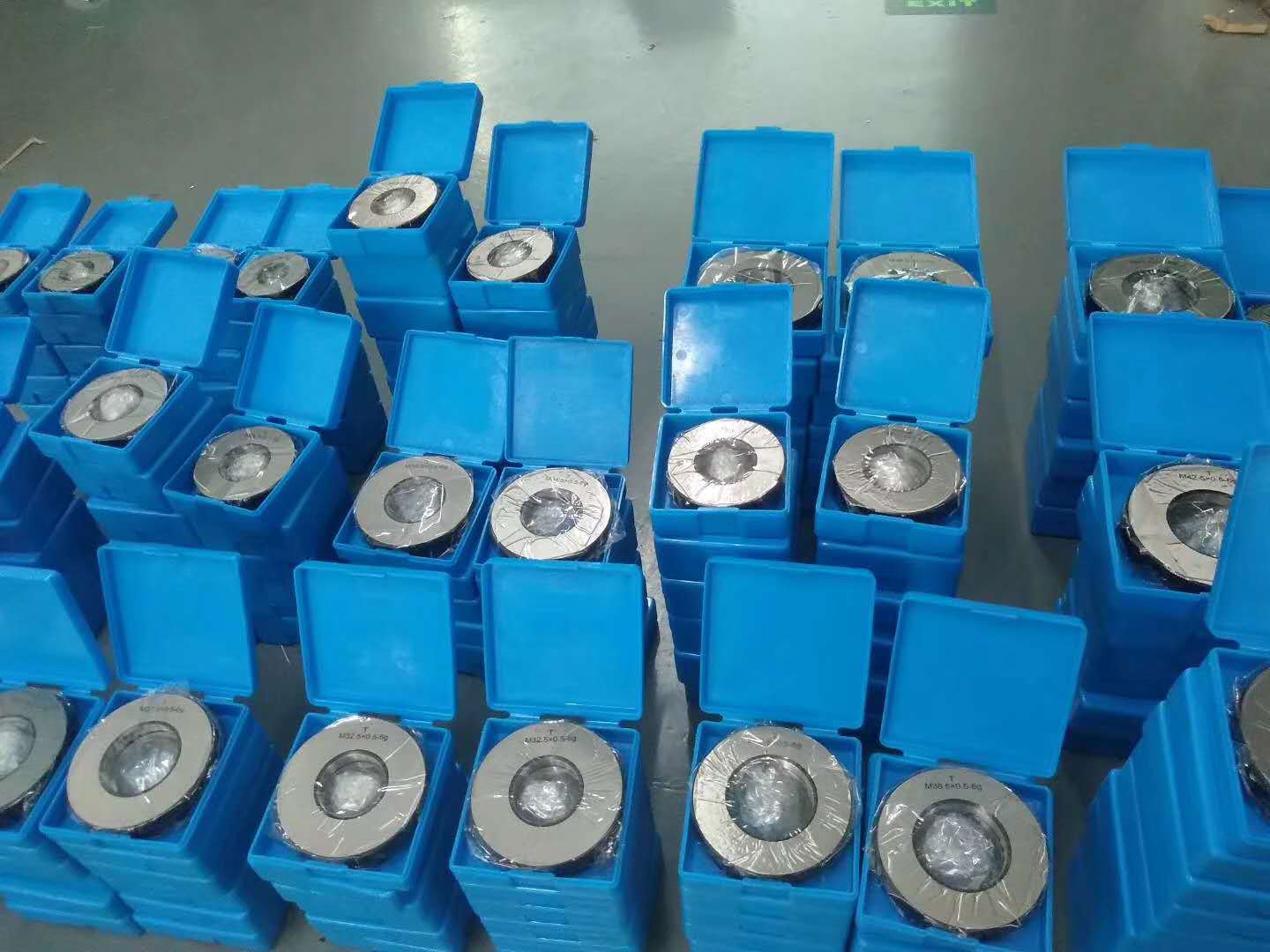
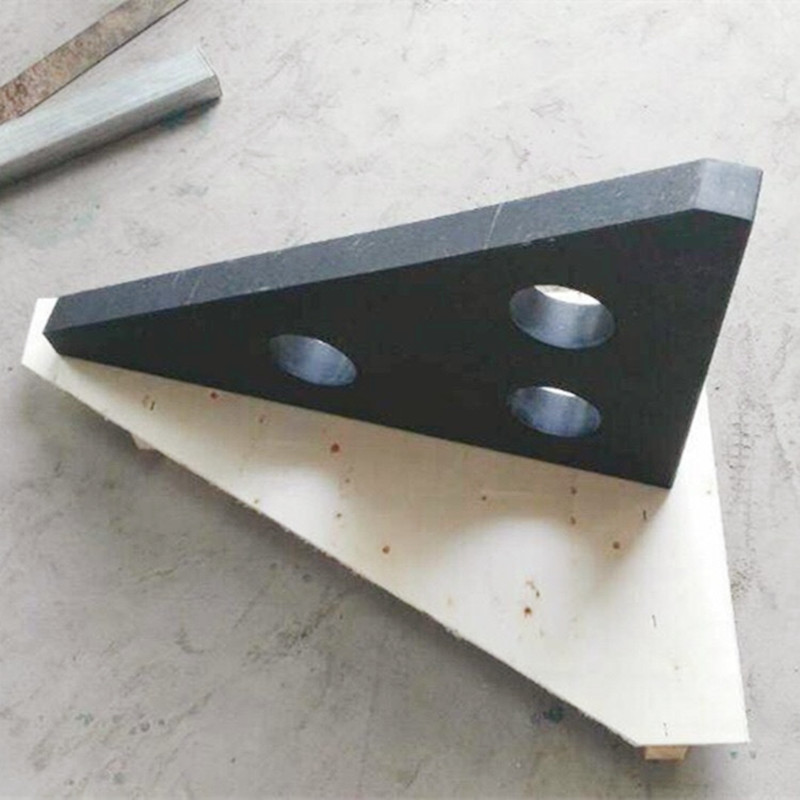
working thread plug gage
Understanding Working Thread Plug Gages Importance and Applications In the world of manufacturing an

Versatile 5 8% Welding Table Clamps for Precision Metalworking and Fabrication
The Importance of 5% and 208% Welding Table Clamps in Modern Fabrication In the world of metal fabri
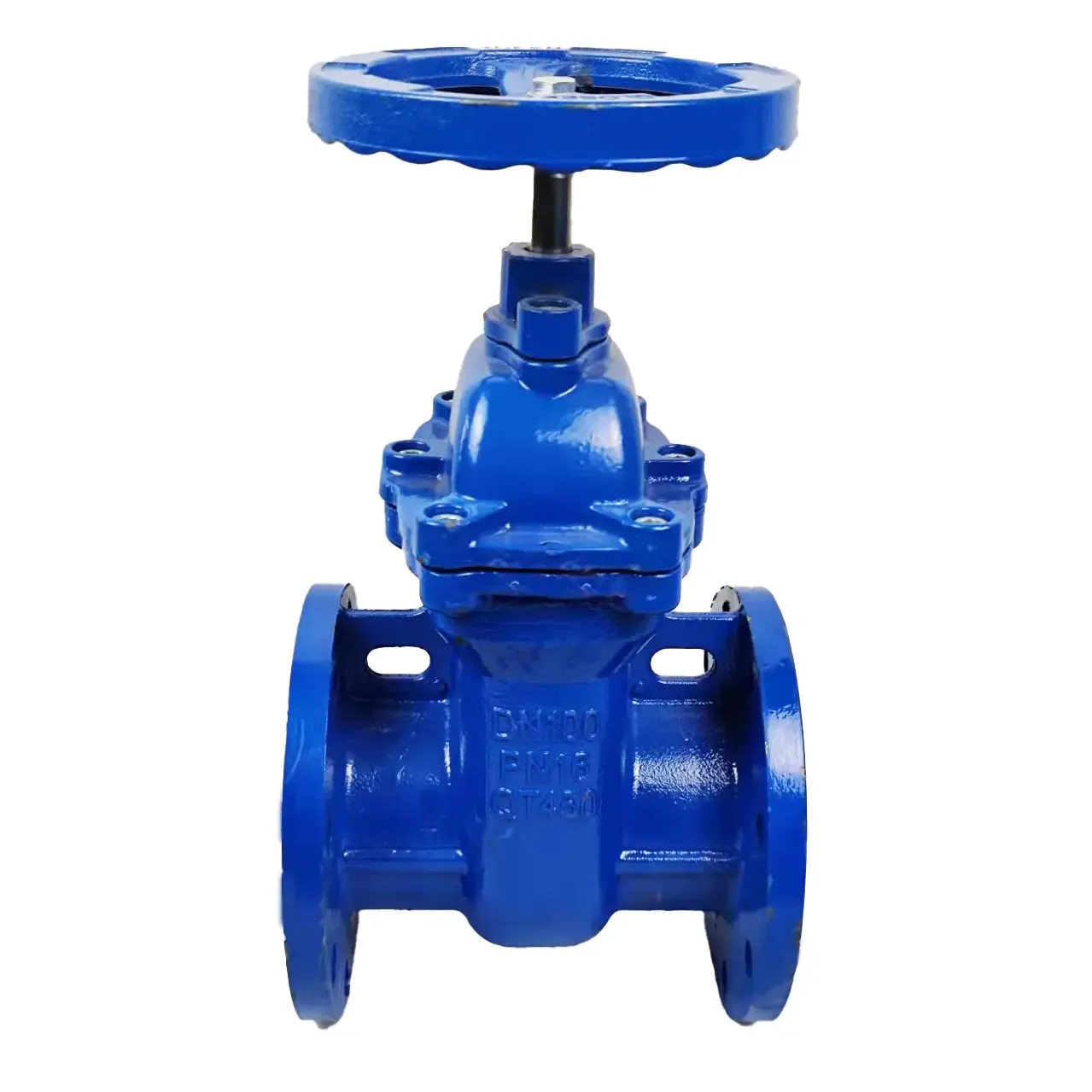
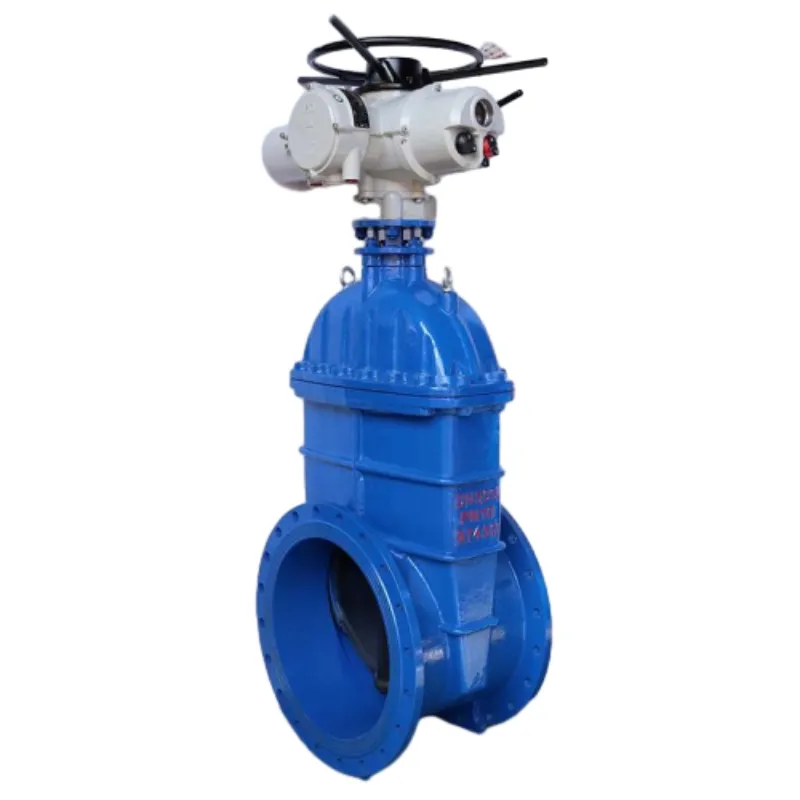
Valve check for preventing backflow in fluid systems an essential component.
A backcheck valve, also known as a non-return valve or check valve, is a crucial component in many i
 English